
Youth Voices Conference 2026

Salesian Family Youth Center – Second Annual Youth Conference Report
On June 6, 2026, the Salesian Family Youth Center hosted its second Youth Conference, gathering more than 100 teenagers for a full day of reflection, dialogue, and shared learning. The focus of the day was centered on four major areas that young people identified as deeply connected to their daily lives and future: Human Mobility, Youth Employability, Childhood Vulnerability, and Youth Violence & Substance Use.
The youth voices conference 2026 began with a keynote panel of four speakers who set a tone of honesty, vulnerability, and openness that shaped the rest of the day:
Miriam Rodriguez – Executive Director, Boyle Heights Chamber of Commerce
Dr. Lopez – Principal, Bravo Medical Magnet High School
Christina Navarro – Executive Director, Healing Urban Barrios
Dulce Acosta – Senior Principal Director, Relations Department, USC
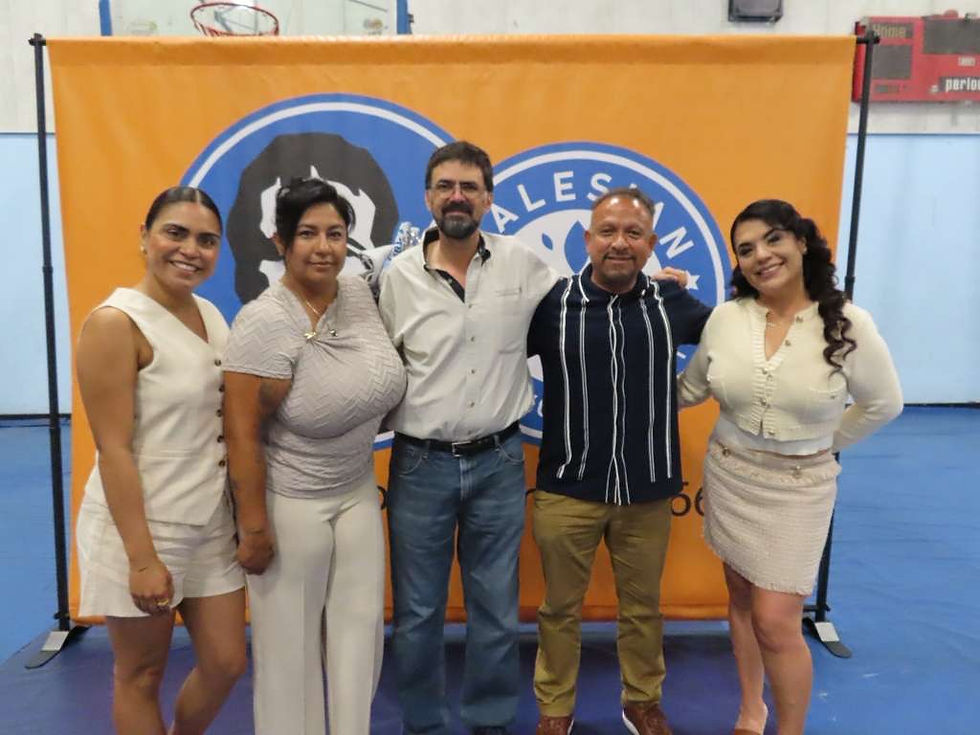
Each speaker shared personal and professional experiences that highlighted struggle, resilience, leadership, and the importance of community support systems. Their willingness to speak openly about challenges and responsibility created a space where young people felt encouraged to reflect more deeply and speak with greater honesty throughout the conference.
What followed was a series of structured youth reflection sessions. Below is a summary of what young people shared in each thematic area.

Human Mobility
In this session, young people reflected on what it means to move between countries, schools, neighborhoods, and cultures, and how those transitions shape identity, belonging, and opportunity.
What young people shared:
Participants described that mobility is often accompanied by emotional and social challenges that are not always visible. Many expressed that arriving in a new environment can create immediate feelings of isolation and uncertainty.
Key reflections included:
Feeling invisible or disconnected when entering new schools or communities
Difficulty forming friendships due to language barriers or cultural differences
Fear of being judged based on background, accent, or immigration status
Lack of understanding of available resources and systems
Emotional stress connected to adapting quickly in unfamiliar environments
Young people emphasized that belonging is not automatic and often depends on how others respond to them in these transition moments.
What they asked for:
More welcoming school and community environments
Stronger support systems for newcomers
Spaces where cultural identity is respected rather than minimized
Opportunities to build relationships early in the transition process
Adults and peers who listen without assumptions
A consistent message emerged: young people want to be recognized first as individuals, not defined by where they come from.

Youth Employability
This session focused on education, career readiness, and access to opportunity.
What young people shared:
Participants expressed strong motivation to succeed but identified structural barriers that limit access to career pathways. Many described a gap between academic learning and real-world preparation.
Key reflections included:
Limited access to internships and professional exposure
Lack of financial literacy and practical life skills in schools
Difficulty understanding how to navigate career systems and opportunities
Limited mentorship and professional guidance
Pressure on families that affects educational focus and stability
Young people consistently noted that talent and effort are not always matched with opportunity.
What they asked for:
Career readiness programs integrated into school systems
More mentorship opportunities with professionals
Access to internships and hands-on learning experiences
Financial literacy education beginning early in high school
Stronger partnerships between schools and community organizations
A central message was clear: access should not depend on personal networks, but on equal opportunity structures.
Childhood Vulnerability
This session explored emotional development, support systems, and the experiences that shape youth during formative years.
What young people shared:
Participants reflected on moments in childhood where they felt unsupported, unheard, or overlooked. Many identified these experiences as shaping confidence, emotional well-being, and future decision-making.
Key reflections included:
Lack of consistent emotional support from adults
Feeling compared to others rather than understood individually
Academic struggles without adequate guidance or intervention
Difficulty adjusting to new environments, especially after migration or family changes
Emotional impact of not being listened to or taken seriously
Young people emphasized that vulnerability is often silent but long-lasting.
What they asked for:
Safe and consistent spaces for emotional expression
Stronger mentorship and adult presence in schools and communities
Greater attention to mental health and emotional well-being
Encouragement that builds confidence rather than comparison
Stronger connection between families, schools, and youth programs
The core message shared was simple: being heard changes everything.
Youth Violence & Substance Use
This session addressed community safety, emotional health, and social influences.
What young people shared:
Participants spoke about violence and substance use as issues deeply connected to emotional stress, environment, and coping mechanisms. Many emphasized that these challenges are not isolated behaviors, but responses to broader conditions.
Key reflections included:
Exposure to violence in community or media environments
Substance use being normalized through peer groups and social media
Peer pressure influencing decision-making
Trauma and unresolved emotional experiences
Lack of safe spaces to process stress and emotions
Young people also highlighted concern about digital environments shaping behaviors and exposure to risky situations.
What they asked for:
More open conversations about mental health and emotional challenges
Safe spaces for dialogue before crises develop
Increased access to counseling and support services
Positive community-based activities and programs
Stronger prevention education around substance use and violence
A key insight was that silence increases risk, while communication builds protection.
Cross-Cutting Messages
Across all four sessions, several consistent themes emerged:
Belonging is essential for emotional and social stability
Respect and listening are foundational to trust
Opportunity must be accessible and equitable
Mental health and emotional well-being are central, not secondary
Community support systems matter in shaping outcomes
Emerging but Unfinished Reflection: Safety, Intimacy, and Emotional Coping
During the Childhood Vulnerability discussion, an additional theme emerged that was not fully explored but surfaced with importance. One young person raised the topic of how intimacy and sexual behavior can, at times, become a way of coping with anxiety, stress, and depression, especially in the context of easy access to dating applications and digital platforms.
This reflection opened a broader and more complex question about how emotional needs, loneliness, and mental health challenges are being processed by some young people in ways that may place them in vulnerable situations.
In the same broader conversation, concern was also raised about safety risks connected to social interactions in digital and social environments, including reported cases in which young people have been harmed or taken advantage of through substances such as scopolamine.
These reflections were not developed in depth during the session, but they surfaced as a signal that this is an area requiring further attention, deeper dialogue, and safe spaces where young people can speak openly, ask questions, and receive accurate guidance.
Closing Reflection
The second Youth Conference at the Salesian Family Youth Center reaffirmed the importance of creating spaces where young people can speak openly about their experiences and be taken seriously.
Their reflections were direct, thoughtful, and deeply connected to the realities they live every day. Across all themes, young people consistently asked for the same foundation: to be seen, to be heard, and to be given real opportunities to grow and succeed.
This report is a presentation of their voices.
Nothing added. Nothing removed.
Just what they shared.


Comments